The Zohar in parashat Vayigash explains the happening of Yosef crying out, as the Torah states:
וְלֹֽא־יָכֹ֨ל יוֹסֵ֜ף לְהִתְאַפֵּ֗ק לְכֹ֤ל הַנִּצָּבִים֙ עָלָ֔יו וַיִּקְרָ֕א הוֹצִ֥יאוּ כׇל־אִ֖ישׁ מֵעָלָ֑י וְלֹא־עָ֤מַד אִישׁ֙ אִתּ֔וֹ בְּהִתְוַדַּ֥ע יוֹסֵ֖ף אֶל־אֶחָֽיו
"Joseph could no longer control himself before all his attendants, and he cried out, “Have everyone withdraw from me!” So there was no one else about when Joseph made himself known to his brothers."
וַיִּתֵּ֥ן אֶת־קֹל֖וֹ בִּבְכִ֑י וַיִּשְׁמְע֣וּ מִצְרַ֔יִם וַיִּשְׁמַ֖ע בֵּ֥ית פַּרְעֹֽה
"His sobs were so loud that the Egyptians could hear, and so the news reached Pharaoh’s palace."
Genesis 45:1-2
The Zohar elucidates that Yosef was not only crying because of his brothers but because, through prophecy, he saw the destruction of the Beit Hamikdash and the darkness that followed. He was also crying, the Zohar states, for the lost tribes as he was kissing his brothers. It is a question if the lost tribes will manage to return to the jewish nation, but seems from the Zohar that there is a possibility, G-d forbid, for them not to brought back again.
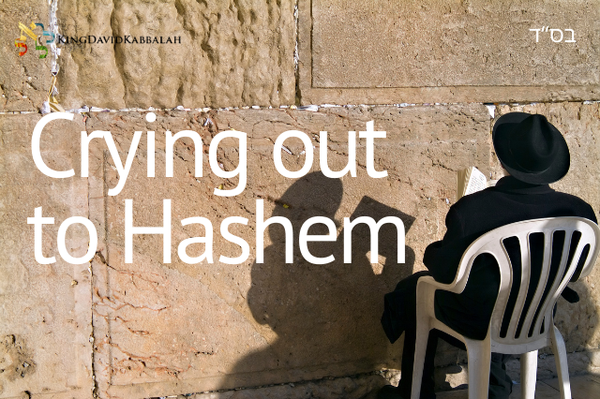
The Zohar jumps into a different topic which is praying. Praying is connected with crying, Yosef was not just crying but he was also praying. From here it is learned that prayer has to be accompanied by crying. It should not just be a crying because the Beit Hamikdash is gone, not for how miserable a person could be. The crying should be about the missing connection of Hashem with the human being. The Beit Hamikdash is the expression of the love of Hashem for the jewish nation. When the
sacrifices are missing it is parallel to prayer, and the tool jews have to express their love to Hashem.
There is an important matter that the Zohar also discusses...