As we enter the holiday we wanted to share a thought with you:
The human soul is often compared to a flame—flickering, reaching upward, yet rooted in its source. This
comparison, deeply embedded in Jewish thought, is a gateway to understanding the sefirah of Hod, a dimension of divine energy associated with humility, acknowledgment, and splendor. Hod, as the Kabbalists explain, is a channel through which divine light flows into the world, enabling both illumination and transformation.
The Mystery of Hod: A Vessel for Divine Light
The Zohar teaches, “All the sefirot are as one, but each has its unique purpose, shining
with its own radiance” (Zohar, Vayikra 94a). Hod, as the fifth of the lower sefirot, is the balance point between the energies of submission and majesty. It is the gateway through which the light of Netzach (eternity) is tempered, becoming a vessel for divine humility. The sages describe Hod as the attribute of acknowledgment (hoda’ah), the ability to recognize Hashem in every moment, to see beyond the veil of physical reality.
This recognition is not passive; it is active and transformative. As Rabbi Yehudah Ashlag, the Baal HaSulam, writes, “Through acknowledgment, the soul draws closer to its source, surrendering its ego and becoming a pure vessel for the infinite light. ”
Hod’s association with the Temple service is also significant. The Levites, who served in the Temple, embodied the essence of Hod through their music and song, elevating the people to a higher state of consciousness. The Zohar emphasizes that their melodies were not merely sounds but spiritual channels, connecting the lower and higher worlds (Zohar, Tetzaveh 183a).
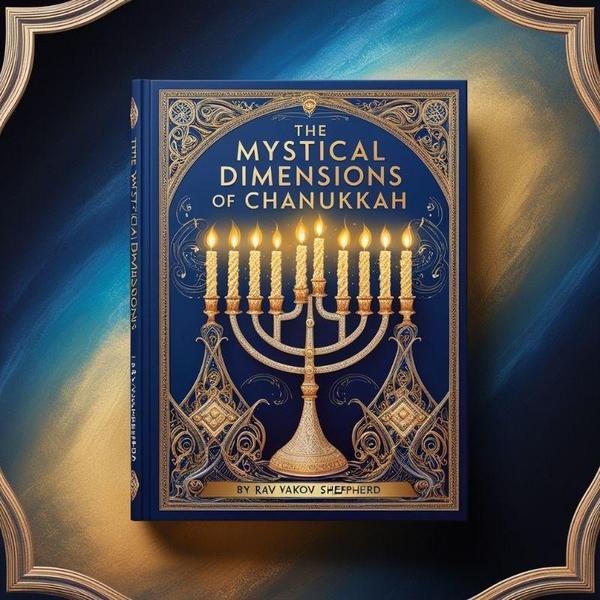
If you want to learn more about the tikun of Hod that is achieved during Chanukah we recommend the brand new book by Rabbi Shepherd: The Mystical Dimensions of Chanukah